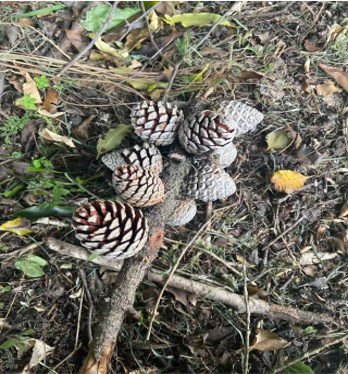
Figuring Development in the Soil: A Study of Planting Food Forest in China and New Zealand

Rooted in a post-development reflection on life, soil, and community, this project investigates food forest practices in South China and Aotearoa New Zealand as patchy formations of the Anthropocene. In China, moral anxieties over food safety and recurring "return to nature" narratives have surfaced across historical moments; in Aotearoa, ancient gardens shaped through Indigenous relations to land stand in sharp contrast to the deeper settler-colonial landscape that surrounds them.

Building on studies that understand alternative planting strategies as political and ethical sites of world-making, my research treats gardens as open ontological spaces, where people navigate layered histories and cultivate multispecies relations of care. As a writer, researcher, and eco-community practitioner, I approach soil not as a passive substrate but as an entanglement of relations through which moral, affective, and ecological negotiations unfold.

I trace how cultivation practices and soil transformations in China and New Zealand generate new modes of care, ethics, and multiple possible futures.
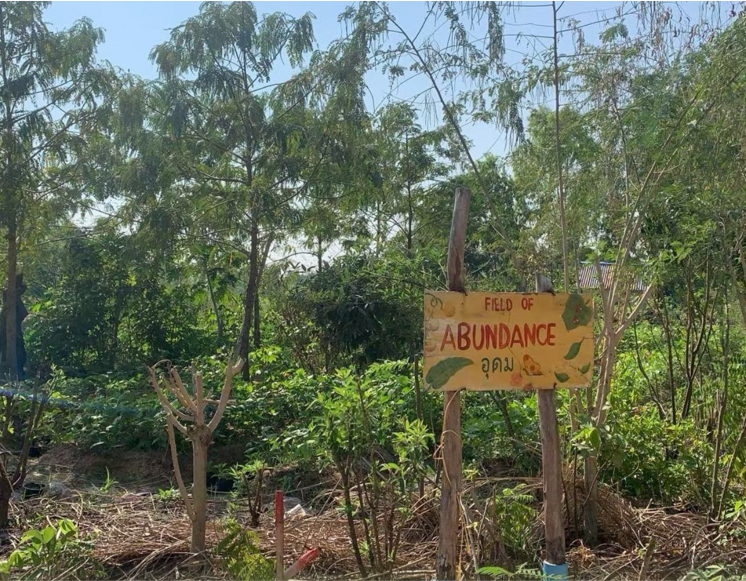
Food Forest Research

Building Disabled Worlds: Everyday Ethics and Labor Practices in Disability Life

"From the moment the word disability was invented, it carried some of the most negative connotations. Individuals labeled as 'disabled' are often stripped of the many possibilities of everyday life, as if the rest of their days could only be spent in abandonment, unable to attain a whole and dignified existence. Such 'seemingly hopeless situations' are not rare among my interlocutors. Whether in employment, health, or future prospects, no path appears to open to them with certainty."

"As Max Horkheimer once suggested, those who encounter extreme hopelessness are often the ones who know the most about hope. If we understand anthropology as a discipline not only revealing the reproduction of structures but also illuminating the small possibilities and imaginative openings that arise in everyday social life, then exploring how ethical subjects sustain hope within apparent dead ends becomes a moral responsibility of ethnographers."

"The central concern here aligns with what Joel Robbins describes as the task of locating, within the cracks of dominant discourses, 'what gives people a sense of purpose and direction in life, or tracing how they pursue ideas of the good,' even when they inhabit difficult and seemingly hopeless circumstances."

Click to access the full PDF
Disability Research

Public Anthropology Writing

Urban Ethnography

The Dispersal and Nomadism of Three Generations of Women

Read Article
Digital Anthropology

Is Care a Weak Morality? — Rethinking Care as a Methodology of Action

Read Article
Applied Anthropology

Once, A Castle

Read Article